Sep 30, 2026
How to Give Sample Feedback Your Supplier Can Act On
The feedback format that cuts sampling rounds: worn fit photos taken right, measurements against spec, and a two-tier fix list - why "make it better" is the most expensive sentence in sampling.
"Make it better." I have watched that sentence - and its cousins, "improve the quality" and "it just doesn't feel premium" - add two weeks and a full sample round to more projects than any fabric shortage. Not because the factories ignored it, but because nobody, on either side of the ocean, could turn it into an instruction.
Good sample feedback is a format, not a feeling. Here is the format that gets a second sample right the first time.
1. Fit Photos Taken Like Evidence
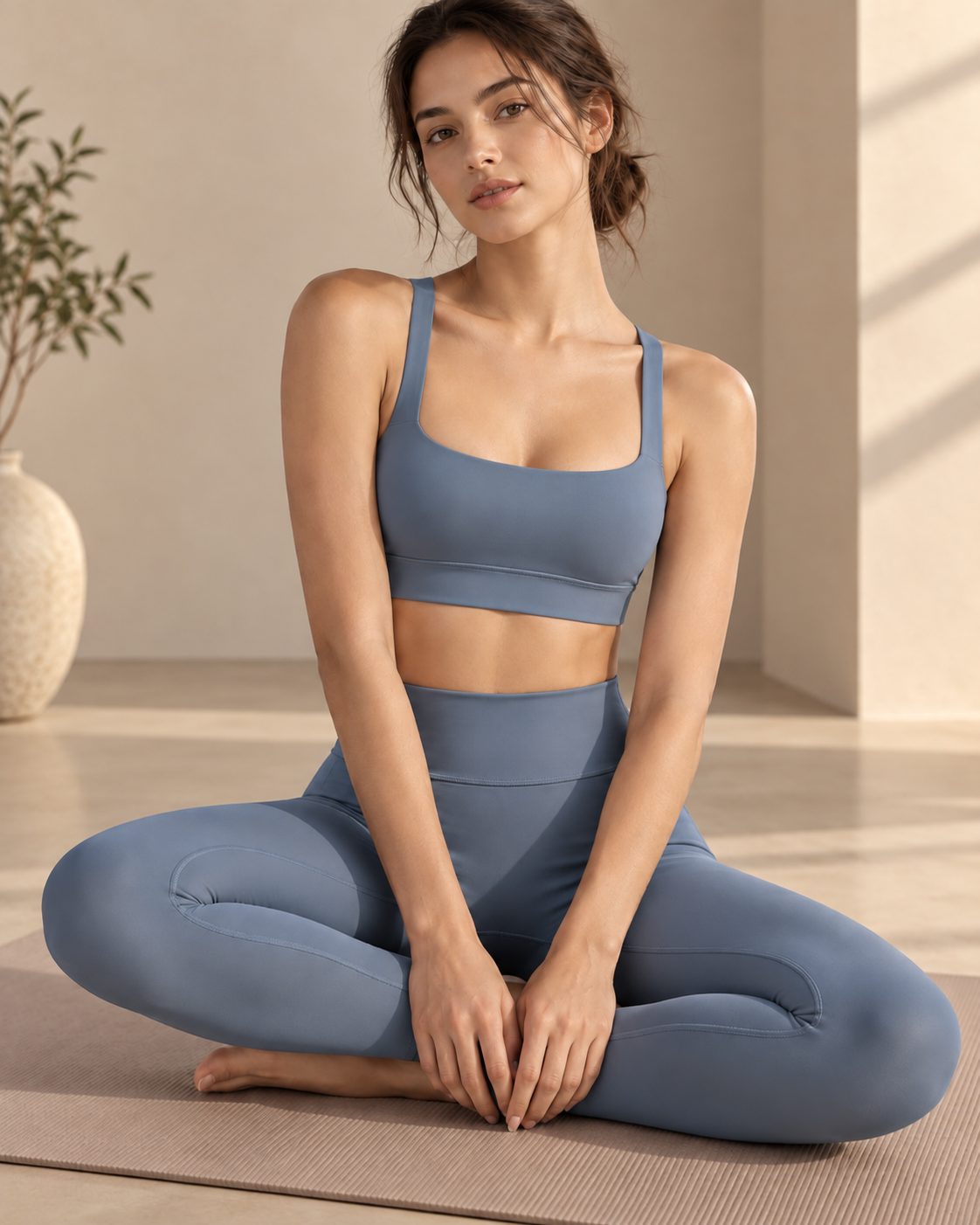
The sample has to be worn - by someone in your target size - and photographed front, side and back, standing naturally, in consistent daylight, against a plain background. Same pose across rounds, so differences come from the garment, not the photo. Add one movement shot for anything that should stay put in motion: a squat for leggings, a reach for a bra.
Detail shots close up and in focus come next: the waistband, the crotch seam, strap anchors, anywhere you have a doubt. A clear photo of a puckered seam ends an argument that ten sentences would not.
2. Measurements Against the Spec
Photos show what looks off; a tape measure proves it. Lay the sample flat and measure the points defined in your tech pack - waistband height, rise, inseam, leg opening - then put them next to the spec numbers in a two-column table: target vs actual. What changed in production becomes visible immediately, and what you want changed becomes a number, not a vibe.
This is also where you discover that some "fit problems" are spec problems - your grade rules, not their sewing. Both are fixable, but they are different conversations.
3. The Two-Tier Fix List
Split every issue into must-fix (the sample cannot ship as-is: fit faults, see-through risk, twisted seams) and nice-to-have (fabric hand, trim preference, color nuance). Put must-fixes at the top with their measurement or photo reference. A factory that sees a short, numbered, non-negotiable list responds differently from one drowning in a stream of adjectives.
One consolidated round beats ten scattered messages. Collect your team's notes, merge duplicates, rank them, and send a single document. The sampling process is built around these rounds - the day-by-day structure is in the production timeline guide:
each round you save is a week you keep.
4. Reference Garments and Versioning
If you are comparing against a garment you love, say so and send it (or its measurements). "Waistband like the reference" is actionable; "waistband feels cheap" is a mood. And when the round is done, update the tech pack to the agreed changes and bump the version - the pack is the contract, and it is covered in the tech pack guide. Feedback that is not written into the pack gets lost by bulk.
Common Questions
How many sample rounds is normal?
Two to three for a private label style with a decent starting spec; more for full custom development. If round three is producing new fit problems rather than closing old ones, the problem is usually the brief, not the factory.
What if the supplier disagrees with my feedback?
Ask for their reasoning in writing. Good factories push back with information - fabric limits, construction constraints, cost impacts - and that is useful. What you cannot work with is silence or blanket agreement; both predict the same silence at bulk.
The sample is right but production won't match - how do I prevent that?
Retain the approved sample as the physical standard, reference it in the pack, and require bulk to match it. The retained-swatch rule for fabric applies to garments too.
Feedback Is a Skill That Compounds
Every precise round makes the next one faster, because the factory learns what your notes mean and your team learns what the machines can do. Brands that master this get to market a season earlier than brands that say "make it better" - same factories, same fabrics, different sentences.
At Miss K, sample rounds run on exactly this format - consolidated, prioritized, versioned into the pack - which is how sampling lands in 5-7 days. Want a second pair of eyes on your sample feedback before it goes to your factory? Write to info@misskyoga.com or WhatsApp +86 136 4085 9182.